
For nearly a decade, the pitch for residential solar in the United States was a mathematical “slam dunk.” You installed the panels, the federal government handed you a 30% check via the Investment Tax Credit (ITC), and you watched your meter spin backward. It was predictable, profitable, and simple.
But as we cross into 2026, that simplicity has vanished. On January 1st, the primary federal tax credit for homeowner-occupied systems (Section 25D) officially dropped to zero for new projects. Combined with the aggressive rollout of NEM 3.0 (Net Billing) across multiple states, many are asking: Has the window of opportunity finally slammed shut?
The answer isn’t a simple yes or no—it’s a shift in strategy.
Advertisement
The Death of the “Free Lunch”
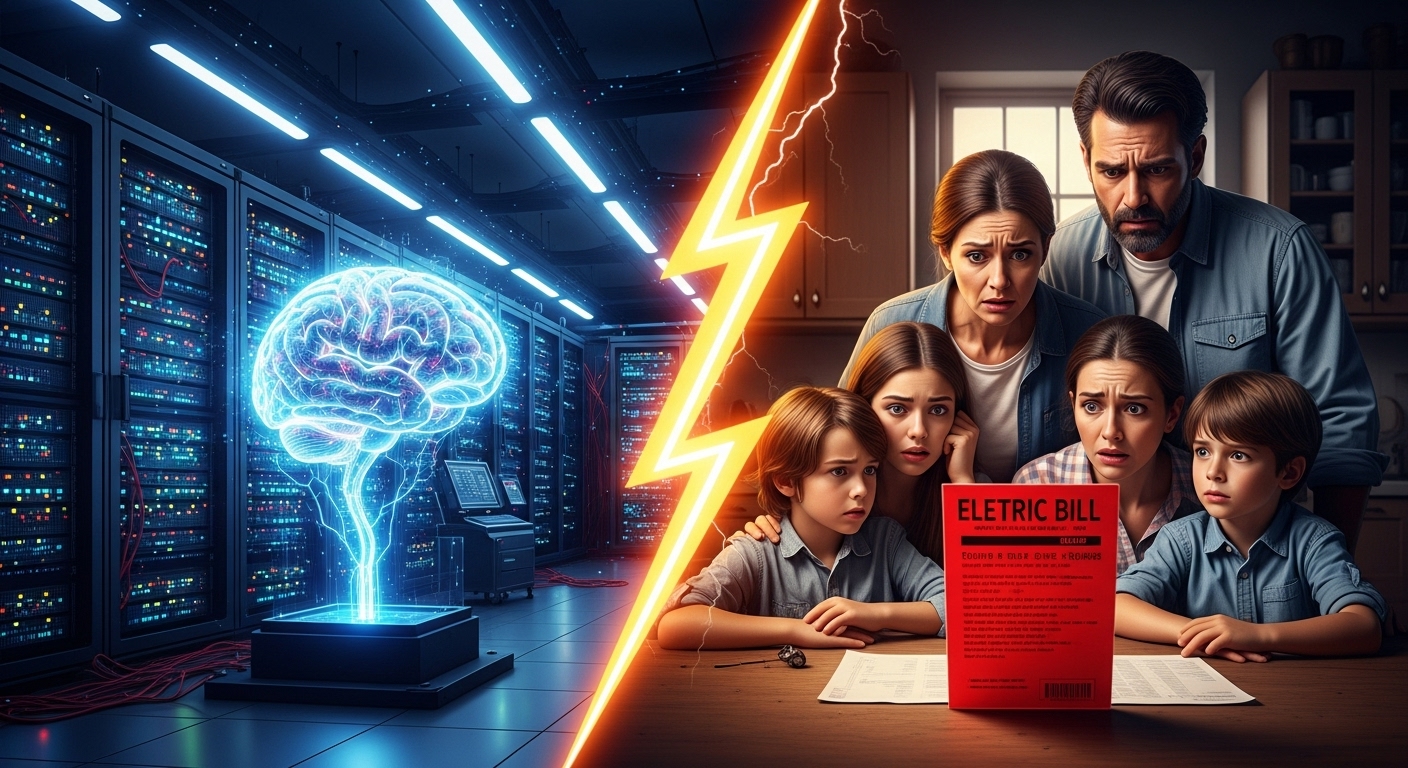
The expiration of the 30% tax credit is a psychological blow to the market, but it’s not the death knell. In 2026, the “solar gamble” is no longer about government handouts; it’s about hedging against utility inflation. In regions like New England, California, and Texas, retail electricity rates have surged by an average of 15% to 25% over the last 24 months. This spike is driven by the massive infrastructure costs needed to support the AI data center boom and an aging national grid. When your utility bill hits $400 a month, solar doesn’t need a tax credit to look attractive—it just needs to be cheaper than the monopoly charging you for the grid.
The Rise of the Lease (Again)
Paradoxically, the loss of the tax credit for homeowners has made Solar Leasing and Power Purchase Agreements (PPAs) the hottest trend of 2026. Why? Because while you can no longer claim the 30% credit as an individual owner, third-party companies still can under the new “Big Bill” regulations.
By leasing your roof, you let a corporation take the tax perk and the maintenance headache, while you enjoy a locked-in electricity rate that is often 30-40% lower than your local utility. For the average American household in 2026, “saving money on Day 1” has become more important than “owning the hardware in Year 10.”
Batteries: No Longer Optional
If 2024 was the year of the panel, 2026 is the year of the battery.
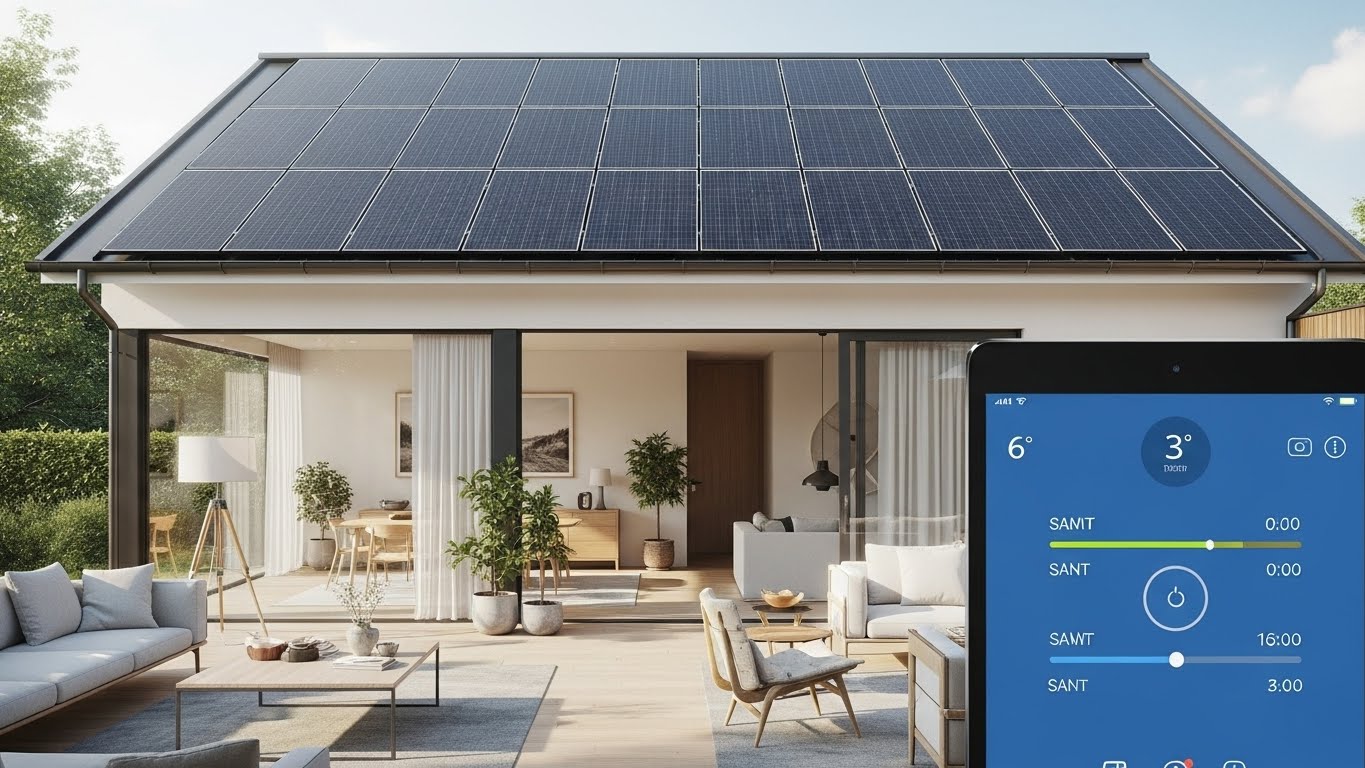
Under the new Net Billing rules (NEM 3.0), sending your excess solar power back to the grid is like selling gold for the price of lead. The utilities don’t want your power during the day; they want it at 7:00 PM. Homeowners who are winning in 2026 are those pairing their panels with smart storage like the Tesla Powerwall 3 or EcoFlow systems. By storing your midday sun and using it during the “Peak” evening hours, you aren’t just saving pennies—you’re achieving true energy independence.
The 2026 Verdict
Is solar worth it in the U.S. today?
If you are looking for a “get rich quick” scheme through government rebates, that ship has sailed. However, if you view solar as insurance against a volatile grid and rising energy costs, it is more essential than ever. In high-cost states, even without the federal credit, the payback period remains under 12 years—on a system designed to last 25.
In the 2026 energy landscape, the most expensive thing you can do is continue to do nothing.
Recommended Reading:
- Can AI Help Fight Climate Change?
- Can AI Really Reduce Home Energy Bills in the United States?
- Why Tesla Lost Its Crown as the World’s #1 EV Maker to BYD in 2026
- Renewables Officially Overtake Coal in 2026
- What is the ROI of High-Efficiency N-Type Solar Cells in 2026?
References & Further Reading
- Internal Revenue Service (IRS). (2025). Residential Clean Energy Credit (Section 25D) Phase-out and Expiration Guidelines. irs.gov/credits-deductions
- U.S. Energy Information Administration (EIA). (2025). Annual Energy Outlook 2025/2026: Impact of Data Center Expansion on Residential Electricity Rates. eia.gov/outlook
- EnergySage. (2026). The Shift to Third-Party Ownership: Why Solar Leases are Dominating the 2026 Market. energysage.com/solar-leases-2026
- California Public Utilities Commission (CPUC). (2025). Net Billing Tariff (NEM 3.0) and the Economics of Battery Storage. cpuc.ca.gov/nem3
- SolarReviews. (2026). State-by-State Solar ROI Analysis: Life After the Federal Tax Credit. solarreviews.com/solar-roi-2026
- ConsumerAffairs. (2025). Buying vs. Leasing Solar Panels: Navigating the 2026 Energy Landscape. consumeraffairs.com/solar-energy
Advertisement