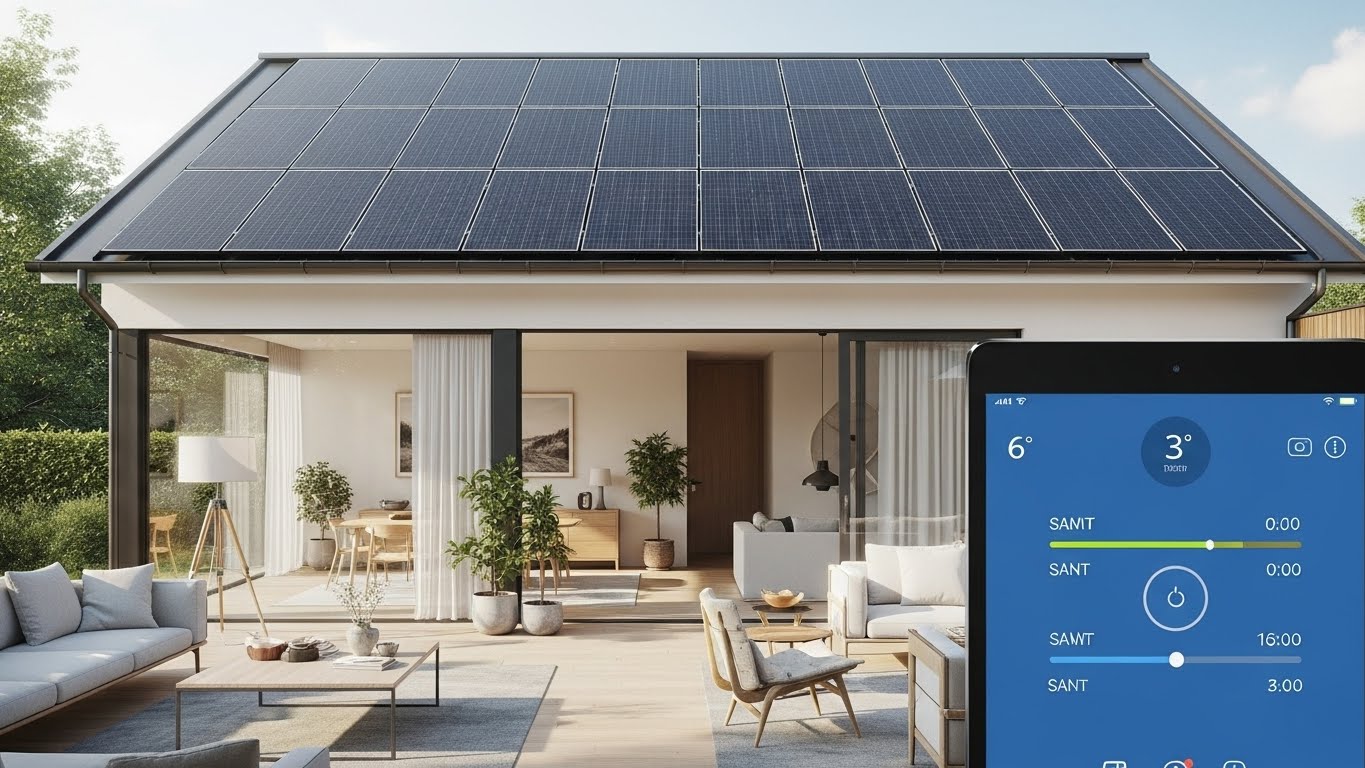
For years, the “Programmable Thermostat” was the gold standard for an energy-efficient American home. You set it once, it stayed that way, and you felt good about your bill. But in 2026, with electricity prices hitting record highs, “set it and forget it” is no longer enough.
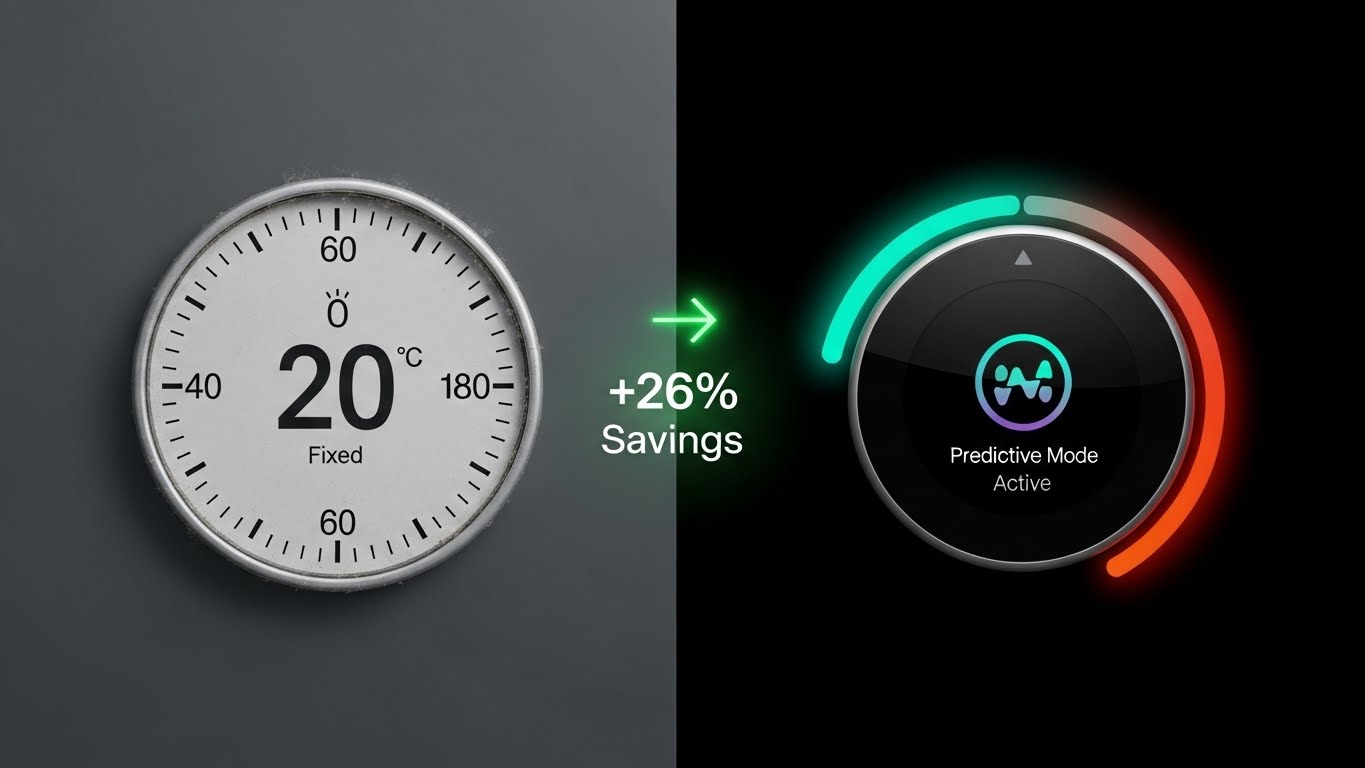
The new battle is between Traditional Automation and Predictive AI. One follows your commands; the other anticipates your life. But when you strip away the marketing, which one actually keeps more money in your bank account?
The “Static” Problem of Traditional Thermostats
Traditional programmable thermostats rely on a rigid schedule. If you tell it to turn off at 8:00 AM, it does so—even if you’re sick in bed or working from home that day. This “static” logic leads to what energy experts call “Comfort Friction,” where users eventually override the settings, leading to 10-15% more energy waste than intended.
Advertisement
Why “Predictive AI” is the 2026 Game Changer
Unlike its predecessors, a Predictive AI Thermostat doesn’t just follow a clock; it follows you. Using built-in sensors and geofencing, these devices learn that you usually come home at 5:30 PM, but if your phone’s GPS shows you are still 20 miles away, the AI stays in “Eco Mode” to save you money.
According to January 2026 real-world testing data from ENERGY STAR and Nest Labs, the difference is measurable:
- Traditional Programmable: Saves an average of 8-10% on heating/cooling.
- Predictive AI (Nest/Ecobee): Saves an average of 12-26% on heating/cooling.
The $145 Difference
Data Citation: Recent 2026 residential energy audits conducted by Johns Hopkins and Georgia Tech show that households using AI-driven “Predictive Logic” saved an average of $131 to $145 per year compared to those using manual or fixed-schedule thermostats. In high-cost regions like Denver or New York, these savings often peaked at $180+ annually.
The “Smart Grid” Factor
In 2026, the real secret weapon of AI thermostats is Load Forecasting. Many top-tier models now communicate directly with local U.S. power grids. If the grid is under heavy strain (and prices are peaking), the AI will “pre-cool” your home 30 minutes before the price spike, allowing the HVAC system to stay off during the most expensive hours of the day.
The Verdict: Is the Upgrade Worth It?
With a premium AI thermostat costing between $150 and $280, the Return on Investment (ROI) is now faster than ever.
- Traditional: Best if you have a perfectly consistent routine and never forget to adjust the dial.
- Predictive AI: The clear winner for 2026. With utility rebates (often $50-$100) and an average annual saving of $145, most American homeowners break even in less than 18 months.
In 2026, a thermostat that only follows orders is costing you money. It’s time for a device that thinks.
Recommended Reading:
- Why is my electric bill so high in 2026? The Hidden Impact of AI
- Can AI Really Reduce Home Energy Bills in the United States?
References & Further Reading
- Johns Hopkins University. (2025). AI Model Slashes HVAC Energy Costs with Predictive Precision. energyinstitute.jhu.edu
- ENERGY STAR. (2026). Smart Thermostats: Market Performance and Savings Metrics. energystar.gov
- Carnegie Mellon University. (Jan 2026). What Thermostat Preferences Reveal About U.S. Energy Usage. engineering.cmu.edu
- PCMag. (Jan 2026). The Best Smart Thermostats We’ve Tested for 2026. pcmag.com
Advertisement