Can AI Help You Save on Energy?
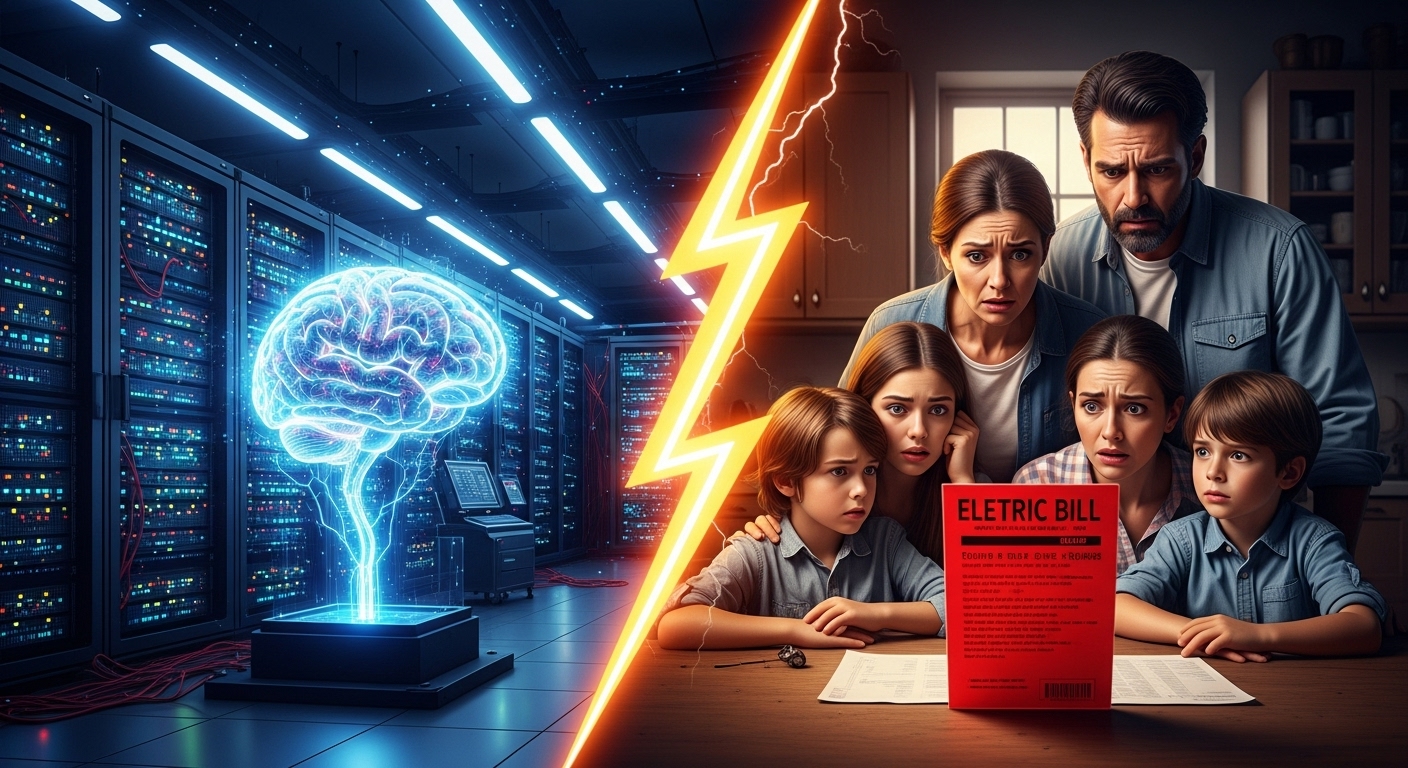
Rising energy costs are a growing concern for households across the United States. From skyrocketing electricity bills to the increasing demand for sustainable living, Americans are looking for solutions that save money and reduce environmental impact. Artificial Intelligence (AI) has emerged as a promising tool to help homeowners optimize energy usage, reduce waste, and lower monthly bills. But the question remains: Can AI really make a noticeable difference in home energy costs?
In this article, we explore how AI-powered technologies work, real-world examples, and whether investing in smart energy solutions is worth it for U.S. households.
What is AI Energy Management?
AI energy management refers to systems that use artificial intelligence to monitor, analyze, and optimize the energy consumption of homes. These systems collect data from devices such as:
Advertisement
- Smart thermostats
- AI-powered appliances
- Solar panel systems
- EV chargers
By understanding patterns in energy use, AI can make real-time adjustments, such as lowering heating when nobody is home or optimizing appliance schedules during off-peak electricity hours. The result is smarter energy usage and potential cost savings.
How Does AI Reduce Energy Consumption?
AI reduces energy consumption through several strategies:
1. Smart Thermostat Optimization
Smart thermostats like Nest or Ecobee learn your daily routines. They adjust heating and cooling automatically, preventing unnecessary energy use when rooms are empty.
Example: A family in California reported a 20% reduction in monthly electricity bills after installing an AI-driven thermostat.
2. AI-Powered Appliances
Modern appliances equipped with AI can optimize operation times. For instance, washing machines can run when electricity rates are lower, and smart refrigerators adjust cooling based on usage patterns.
3. Solar Energy Integration
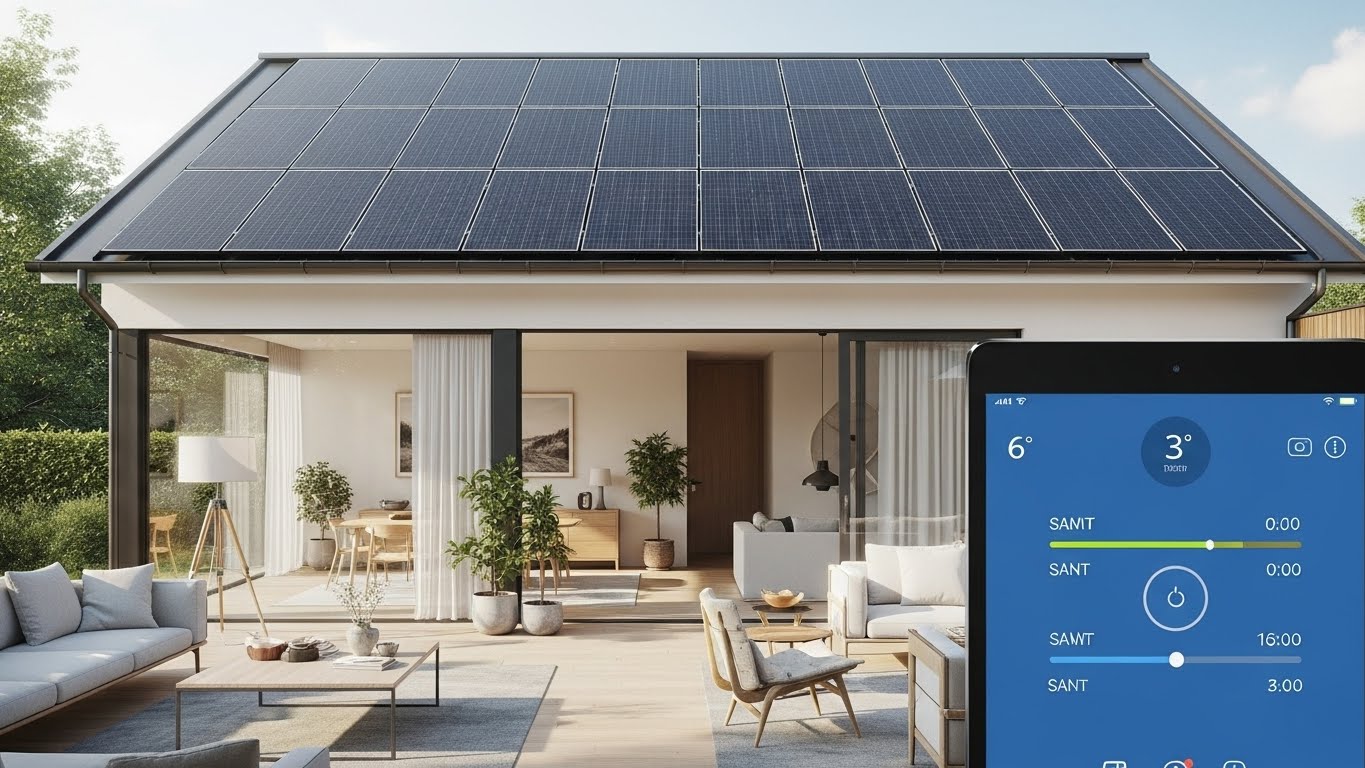
AI can manage energy generated from home solar panels. By predicting peak sunlight hours and household demand, AI ensures maximum energy efficiency and minimizes reliance on the grid.
4. Energy Monitoring and Alerts
AI systems provide real-time alerts about unusual energy spikes or inefficiencies. Users can receive actionable tips, such as turning off lights or unplugging devices that are consuming unnecessary energy.
Real-World Examples in the U.S.
California: Smart Thermostats
A study of 500 California homes showed that AI-enabled thermostats reduced energy usage by an average of 18–22%, translating to hundreds of dollars saved annually.
New York: AI in Smart Apartments
High-rise apartments in New York City have adopted AI-powered energy management to optimize heating, cooling, and lighting. Residents experienced significant reductions in electricity costs while improving sustainability.
Texas: AI and Solar Panel Optimization
Texas homeowners with solar panels are using AI software to forecast energy production and optimize storage. By automatically switching between solar power and grid power, families save on peak-hour electricity rates.
Pros and Limitations of AI Energy Solutions
Pros
- Cost Savings: Potentially significant reduction in electricity bills.
- Convenience: Automation removes the need for manual adjustments.
- Sustainability: Reduces carbon footprint and supports green living.
- Data Insights: Provides actionable energy consumption insights.
Limitations
- Upfront Costs: Smart devices and AI systems may require investment.
- Learning Period: AI systems take time to learn usage patterns.
- Dependence on Internet/Software: Many systems require reliable internet connectivity.
- Limited Control: Users may prefer manual control over automated AI decisions.
Is AI Worth It for U.S. Homeowners?
For most U.S. households, investing in AI-driven energy solutions can be worthwhile, especially for those with higher energy costs or multiple smart devices. The combination of cost savings, convenience, and sustainability makes it an appealing option. However, evaluating upfront costs and understanding how AI integrates with existing systems is essential for maximizing benefits.
Future Outlook: AI and Home Energy
The future of home energy management in the United States is increasingly tied to AI. Advances in machine learning, renewable energy integration, and smart grid technology will make AI more efficient and capable of optimizing energy consumption automatically. By adopting AI solutions now, homeowners not only reduce bills but also contribute to a more sustainable future.
Conclusion: AI as a Smart Energy Ally
Artificial intelligence is more than a technological trend—it is a practical tool for reducing energy consumption and lowering costs in U.S. homes. With smart thermostats, AI-powered appliances, and solar energy management, American households can achieve meaningful savings while supporting sustainable living.
For homeowners looking to balance cost-efficiency and environmental responsibility, AI-powered energy solutions are a strategy worth exploring.
Sources:
- U.S. Department of Energy – Energy Saver
- Energy Star – Smart Thermostats
- NREL – National Renewable Energy Laboratory
- EPA – Green Energy
- CNET – Smart Home Reviews
- DOE – Solar Energy Basics
- Forbes – AI in Energy Efficiency
- Greentech Media
- Smart Energy International
- U.S. Climate Alliance
Advertisement