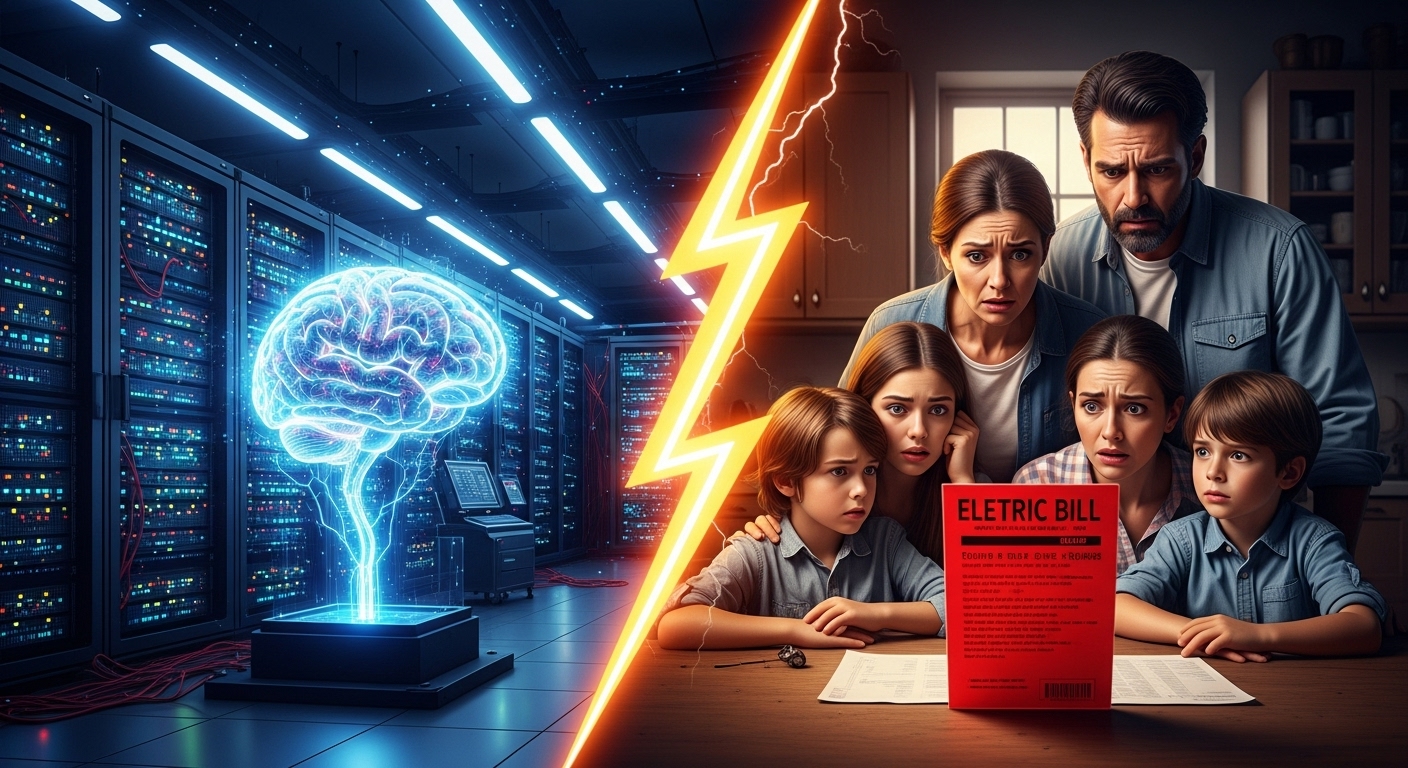
If you’ve opened your utility bill this month and felt a sudden jolt of “bill shock,” you aren’t alone. Across the United States, homeowners are staring at numbers that don’t seem to add up. In 2026, electricity isn’t just a utility anymore—it’s becoming one of the fastest-growing household expenses, outpacing even the cost of groceries and housing in some regions.
But what exactly is driving this surge? The answer lies in a perfect storm of aging infrastructure, rising fuel costs, and an unexpected new neighbor: The AI Data Center.
The Data Center Appetite
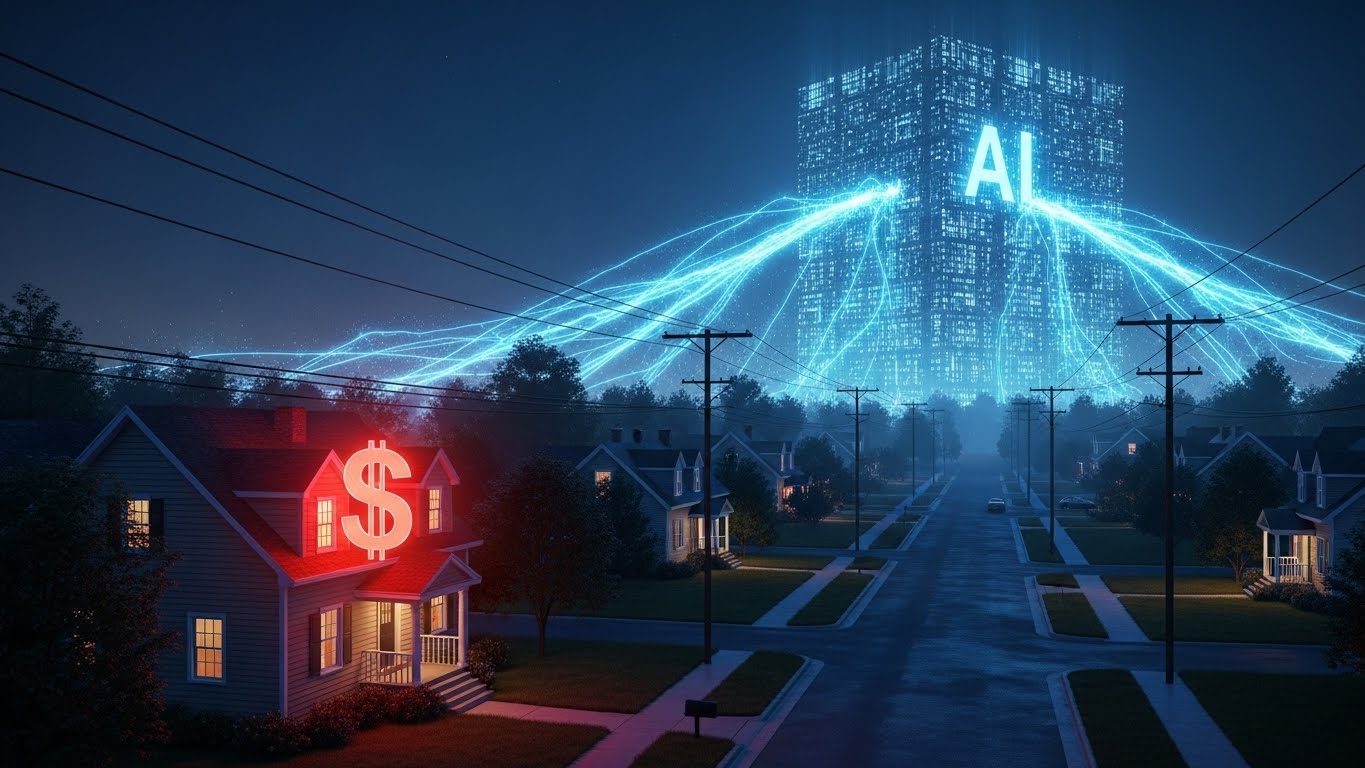
In 2026, we are witnessing an “energy arms race.” To power the massive Large Language Models (LLMs) that everyone uses daily, tech giants have built “city-sized” data centers across states like Texas, Virginia, and Oregon.
Advertisement
According to recent January 2026 data from the U.S. Energy Information Administration (EIA), national electricity demand is projected to grow at its fastest rate since 2000. In Texas alone, electricity sales are set to jump by 9.2% this year—nearly three times the national average. When these industrial-scale facilities compete for the same power you use to dry your clothes, supply-and-demand economics dictates one thing: prices go up.
The “Infrastructure Tax”
It isn’t just the energy usage itself that costs you; it’s the delivery. To prevent blackouts, utilities are spending billions of dollars to build new high-voltage transmission lines and substations specifically to feed these energy-hungry data centers.
A recent Rutgers University study and Harvard Law analysis for 2026 highlight that these “billions in infrastructure upgrades” are often spread across all ratepayers. This means the average family in a “data center hub” could be indirectly subsidizing the power lines of trillion-dollar tech companies.
2026 Price Breakdown: What are you paying?
Based on the January 2026 Electric Choice Report, the national average for residential electricity has climbed to 18.07¢/kWh, a 7.4% increase over last year. However, the pain is not felt equally:
- Hawaii & New England: Remains the most expensive, with rates hitting 42¢/kWh and 30¢/kWh respectively.
- The “AI States” (NJ, TX, OR): Seeing year-over-year spikes as high as 9.3% as local grids struggle to keep up with new industrial loads.
Is there a way out?
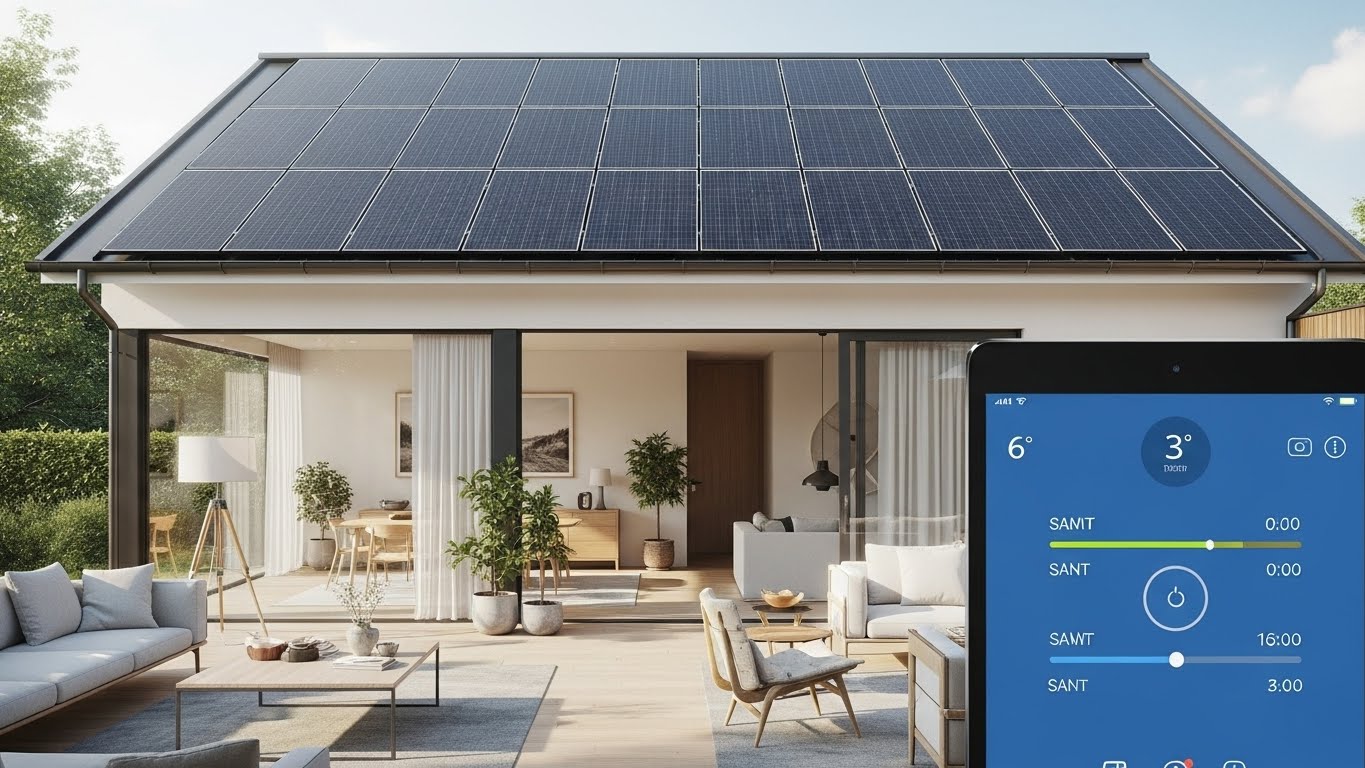
While you can’t control the global AI boom, you can control your “meter interaction.” In 2026, homeowners are moving away from traditional savings tips (like “turn off the lights”) and toward Predictive AI Energy Management. By using AI to fight AI—optimizing home usage during “off-peak” hours—some households are managing to claw back 20-30% of these increases.
The era of cheap, stable electricity in the U.S. is over. In this new high-demand reality, being “energy-blind” is no longer an option for the American wallet.
Recommended Reading:
- Can AI Really Reduce Home Energy Bills in the United States?
- IEA 2026 Report: Is AI’s Thirst for Power Pushing Global Grids to the Breaking Point?
- Is AI Making Our Electricity Bills More Expensive in 2026?
References & Further Reading
- U.S. Energy Information Administration (EIA). (Jan 2026). Short-Term Energy Outlook: Electricity Demand Growth through 2027. eia.gov
- Rutgers University. (2025). Empirical Analysis of Residential Economic Harm from Data Center Build-outs. comminfo.rutgers.edu
- Electric Choice. (Jan 2026). Residential Electricity Rates by State. electricchoice.com
- PBS NewsHour. (2025). How AI infrastructure is driving a sharp rise in electricity bills. pbs.org
Advertisement