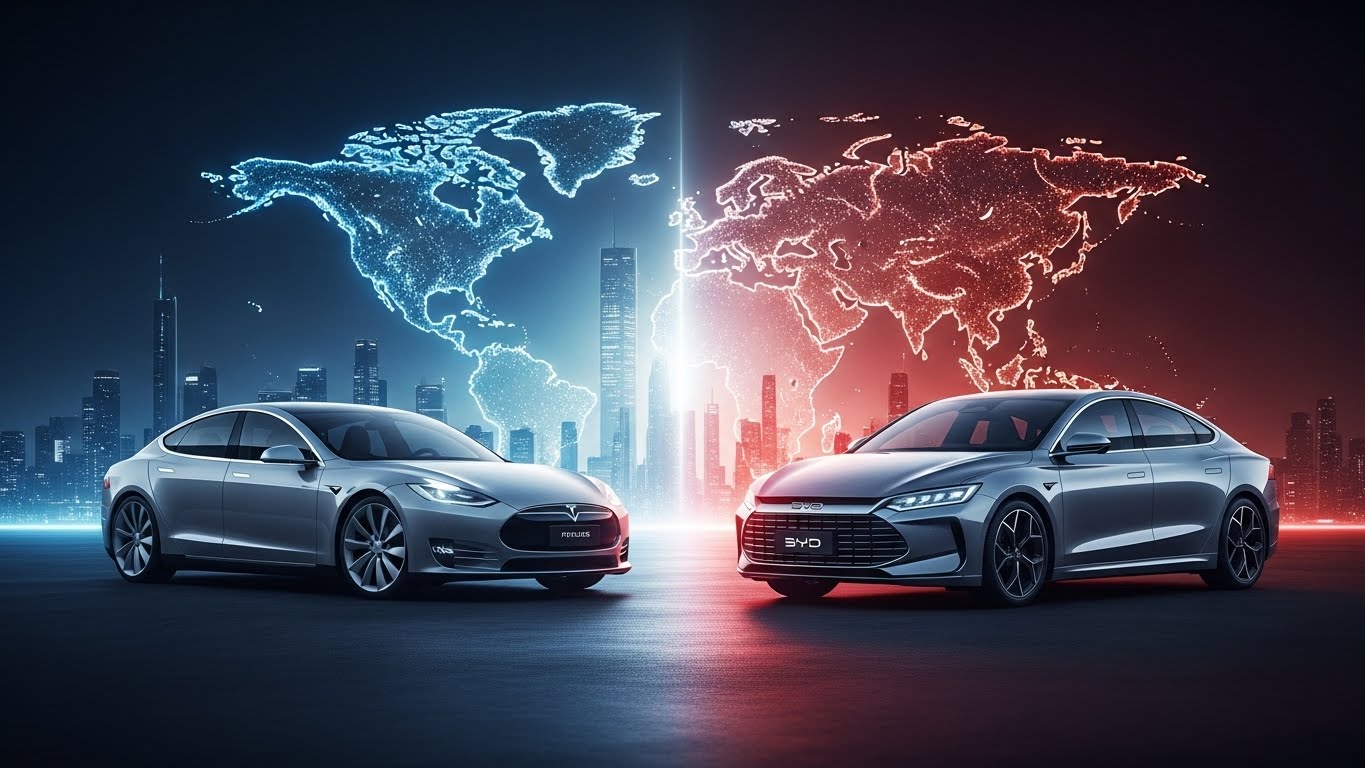
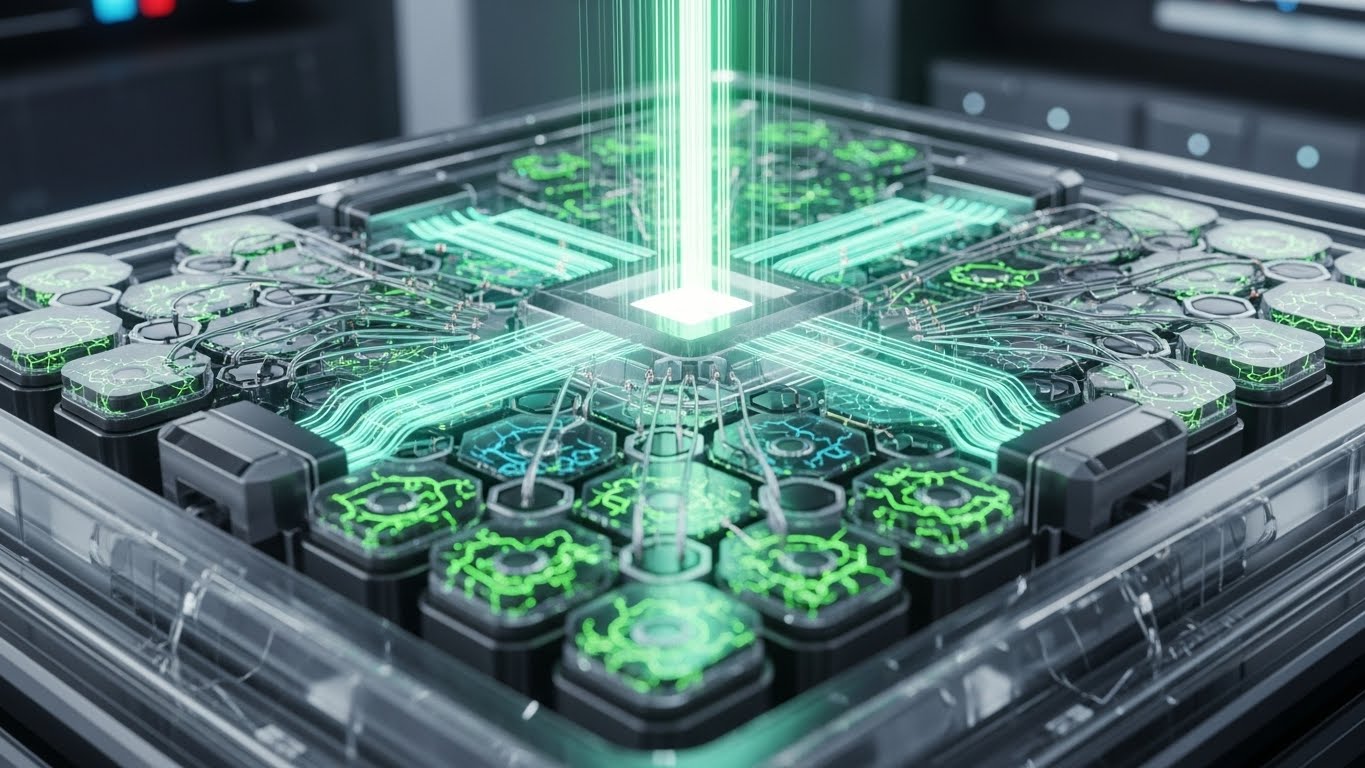
As we move through 2026, the conversation around Electric Vehicles (EVs) has shifted from “range anxiety” to the revolutionary Solid-State Battery (SSB) technology. While Lithium-ion has been the king for a decade, SSBs are now entering the commercial spotlight.
Transparency Note: This article is for educational purposes only. Technical specifications are based on current 2026 industry reports from manufacturers like Toyota and Samsung.
FAQ: Everything You Need to Know
1. What is the main difference between Solid-State and Lithium-ion?
The primary difference lies in the electrolyte. Traditional batteries use a liquid electrolyte, which can be flammable. Solid-state batteries use a solid material (like ceramic or sulfide), making them much safer, smaller, and capable of holding more energy.
2. Can a Solid-State battery really provide a 2,000-mile range?
While 2,000 miles is the peak potential seen in recent patents (like Huawei’s 2025 filing), most 2026 commercial models are targeting 600 to 900 miles on a single charge. This is still double the range of most current EVs.
Advertisement
3. How fast can they charge?
One of the biggest wins for SSBs is charging speed. In ideal conditions, you can charge from 10% to 80% in under 10 minutes, mimicking the time it takes to fill a gas tank.
Recommended Reading:
- Learn more about Huawei’s Solid-State Battery Patent
- Check out the Top EV Trends for 2025 and Beyond
Sources:
Advertisement