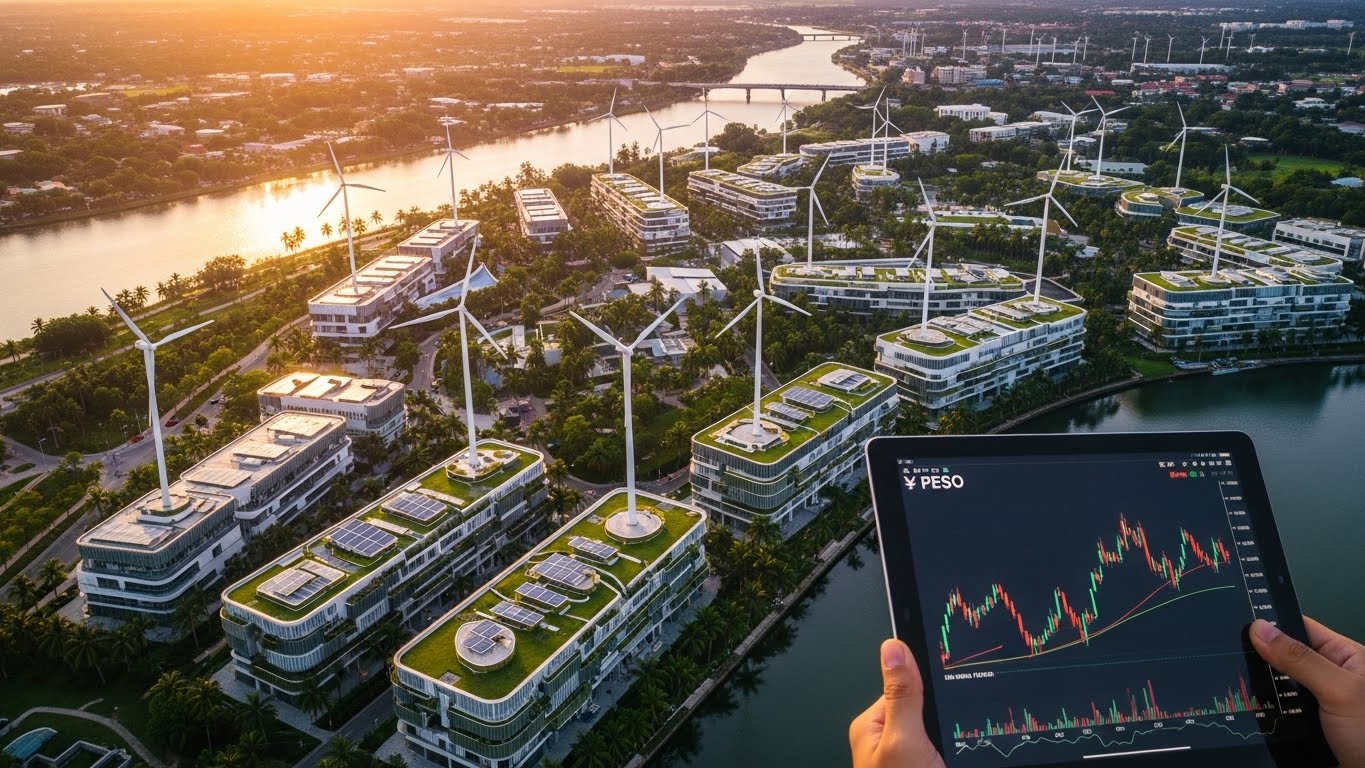
The Philippines is no longer just “talking” about green energy—it is building it at a staggering scale. As of early 2026, the country’s Public-Private Partnership (PPP) pipeline has swelled to ₱2.81 trillion ($47.4 billion), with a massive focus on climate-resilient infrastructure. From offshore wind farms to waste-to-energy plants, the “Pearl of the Orient” is becoming Asia’s greenest investment hub.
FAQ: Your Guide to the 2026 Investment Boom
1. What exactly is the ₱2.81 trillion being spent on?
The majority of this fund is channeled into 251 strategic projects under the new PPP Code (RA 11966). Key areas include:
- Renewable Energy: Giant pumped-storage hydro and offshore wind projects.
- Waste-to-Energy (WTE): New facilities in Metro Manila and Cebu that turn municipal waste into electricity.
- Green Transport: Solar-powered mass transit and EV charging networks across Luzon.
2. Can foreigners own green energy projects in the Philippines?
Yes! One of the biggest changes in recent years is the 100% foreign ownership allowance for solar, wind, and tidal energy projects. Previously capped at 40%, this reform has opened the floodgates for international firms to own and operate renewable plants directly.
Advertisement
3. What are “Green Lanes” and how do they help investors?
To combat red tape, the government established Green Lanes for Strategic Investments. If your project is certified as “strategic,” you get:
- Fast-tracked permits: Approvals that used to take months now often happen in days.
- One-Stop-Action-Center: A single point of contact (OSAC-SI) to handle all government requirements, making it much easier for those unfamiliar with local bureaucracy.
4. How can individual investors get involved?
You don’t need billions to participate. In 2026, several Philippine banks and fintech platforms have launched Green Bonds and ESG-focused mutual funds. Companies like Energy Development Corporation (EDC) and other pure-play renewable firms are also active on the Philippine Stock Exchange (PSE), allowing you to buy shares in the country’s green future.
The Philippines has set an ambitious goal: 35% renewable energy by 2030. With the government actively purging “zombie projects” to make room for serious investors, 2026 is a pivotal year. Whether you are a large-scale developer or a retail investor, the infrastructure is finally catching up with the ambition.
Disclaimer: This article is for educational purposes and based on current 2026 market reports and government data. I am not a financial advisor. Investing in infrastructure involves risks; please consult with a certified financial professional or legal expert in the Philippines before committing capital.
Recommended Reading:
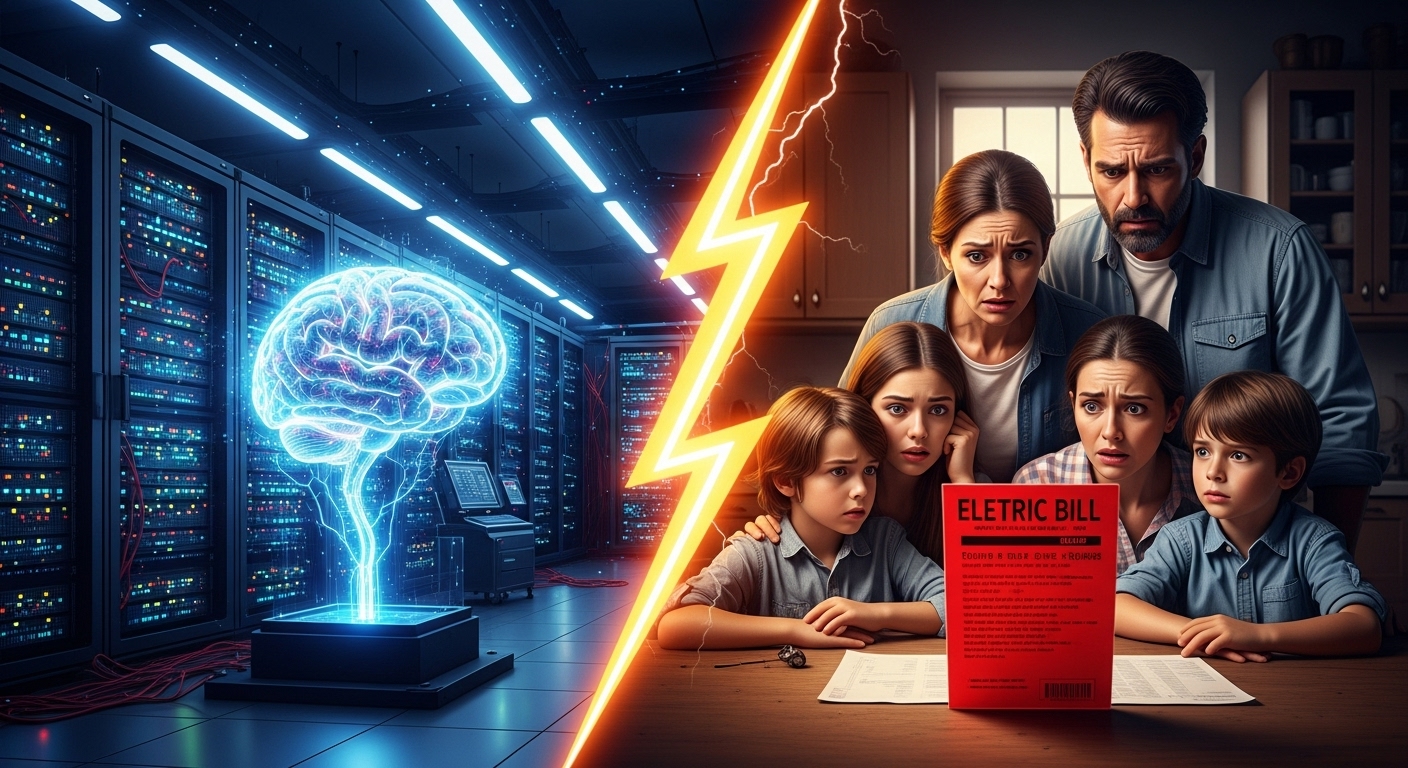
- Investment requires power. Read how AI is affecting global electricity rates.
- Learn about the next big tech: Donut Lab’s 5-minute EV charging battery.
Sources:
- PPP Center of the Philippines – Project Pipeline 2026
- Department of Energy (DOE) – Green Energy Auction Updates
- Asian Development Bank (ADB) – Philippines Green Finance Report
Advertisement